Understanding Makeup Blending Brushes
Makeup is an art, and just like any artist needs the right tools, makeup enthusiasts must have quality tools to perfect their craft. One essential tool for achieving flawless makeup is the makeup blending brushes. These brushes are designed to seamlessly blend products for a polished look, minimizing lines and creating a beautiful finish. Let’s delve deeper into what makeup blending brushes are and how to select the ideal one for your needs.
What Are Makeup Blending Brushes?
Makeup blending brushes are specialized tools used to apply and blend makeup products, such as foundation, concealer, eyeshadow, and blush. Their primary purpose is to eliminate harsh lines and create a smooth transition between colors. These brushes often feature soft bristles that allow for easy movement across the skin, ensuring a more natural appearance while also helping to layer products for more depth.
Types of Makeup Blending Brushes Explained
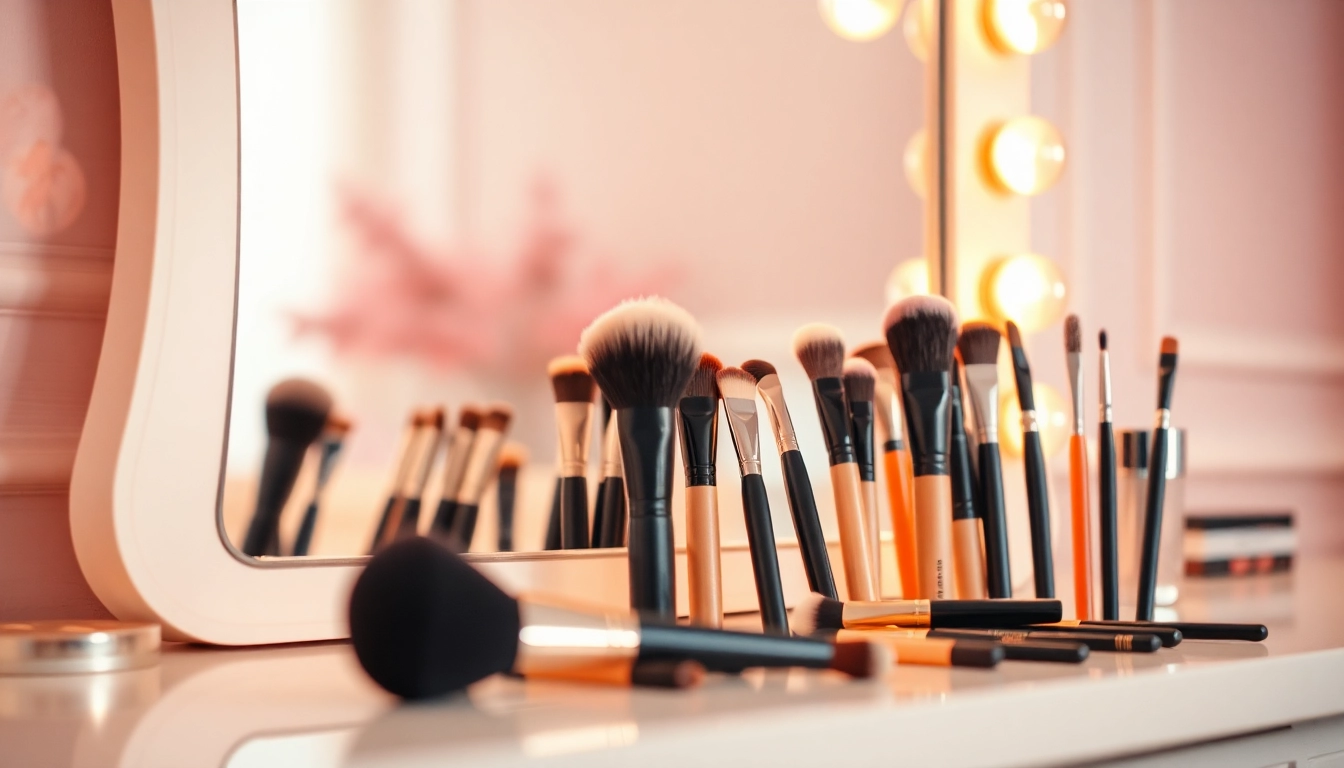
There are several types of makeup blending brushes, each designed for specific applications:
- Flat Blending Brush: Ideal for applying cream products and blending across larger areas, such as the eyelids or cheeks.
- Round Blending Brush: Perfect for softening edges, defining the crease, and creating dimension on the eyelids.
- Detail Blending Brush: Smaller in size, excellent for precision work in small areas, such as the inner corners of the eyes or along the brow bone.
- Stippling Brush: Features duo-length bristles that create a flawless finish by stippling cream or liquid products onto the skin.
- Fan Brush: Often used for applying highlighter, lightly sweeping it onto the high points of the face for a radiant glow.
Choosing the Right Brush for Your Needs
To select the right makeup blending brush, consider the product you are using and the effect you hope to achieve. If you’re working with creamy products, opt for synthetic brushes as they can hold up better and are easier to clean. For powder products, natural bristles are ideal as they provide a softer finish. Additionally, your makeup application technique plays a vital role in your choice; beginners may prefer larger, more forgiving brushes, whereas advanced users might favor smaller, more precise tools.
The Importance of Quality in Makeup Blending Brushes
Investing in high-quality makeup blending brushes can greatly affect your makeup application and longevity of tools. Quality brushes not only enhance your makeup skills but also improve skin health by distributing products evenly.
Why Quality Matters for Application
High-quality brushes are crafted from superior materials that enhance their effectiveness. Quality brushes allow for better control, ease of application, and less product waste, ultimately leading to a more professional finish. Poor-quality brushes can leave streaks, waste product, and cause irritation due to shedding bristles.
Features of High-Quality Makeup Blending Brushes
When selecting brushes, consider the following features that signify quality:
- Soft Bristles: Quality brushes have soft, flexible bristles that feel gentle against the skin and help distribute products evenly.
- Durable Handle: A sturdy handle provides control and stability during application, improving your makeup experience.
- Well-Bound Bristles: High-quality brushes have bristles that are securely fastened, preventing shedding during use.
- Versatile Shape: Good brushes are designed for multiple uses, making them more valuable for your makeup collection.
How to Identify Quality in Blending Brushes
To identify a quality blending brush, examine its construction closely. Hold the brush and check for a comfortable grip without any wobbling. Look at how densely packed the bristles are; they should not only be soft but also have a good amount of spring-back for precise application. Additionally, always consider user reviews and ratings for further insight into performance and durability.
Techniques for Using Makeup Blending Brushes
Using makeup blending brushes effectively involves mastering techniques that enhance application and achieve a flawless effect. Let’s explore basic techniques for beginners, advanced techniques for seasoned artists, and common mistakes to avoid.
Basic Techniques for Beginners
As a beginner, you may want to start with these straightforward techniques:
- The Circular Motion: When blending eyeshadow, use a circular motion to soften the edges. This technique helps to distribute the shadow evenly.
- Light Tapping: When applying foundation, use a stippling or tapping technique rather than dragging the brush, to help the product meld into the skin.
- Feathering Edges: For blush or bronzer, apply in sweeping, feather-like motions to avoid harsh lines and create a natural flush.
Advanced Techniques for Flawless Application
Experienced users can experiment with advanced techniques such as:
- Layering: Build makeup in layers for depth and dimension, ensuring each layer is blended before applying the next.
- Cut Crease: For this eye makeup look, use a detail blending brush to create sharp, defined lines, followed by blending edges for a seamless transition.
- Two-Brush Method: Utilize two brushes—one for applying shadow and another for blending—allowing for greater precision and effectiveness.
Common Mistakes to Avoid
Even seasoned makeup enthusiasts can fall prey to common mistakes. These include:
- Not Cleaning Brushes: Dirty brushes can harbor bacteria, leading to skin issues and uneven application.
- Using the Wrong Brush: Using the wrong brush can cause product fallout or uneven blending; always match the brush to the product type.
- Applying Too Much Product: Use a light hand and build products gradually to avoid a caked appearance.
Maintaining Your Makeup Blending Brushes
Proper maintenance of your makeup blending brushes extends their lifespan and ensures optimal performance. Here are best practices for cleaning, storage solutions, and signs indicating it’s time for replacement.
Cleaning Your Brushes: Best Practices
Cleaning your brushes is crucial to maintaining hygiene and ensuring quality application. Follow these steps:
- Frequency: Clean your makeup blending brushes at least once a week to prevent product build-up and bacteria growth.
- Cleaning Solution: Use gentle cleansers designed for brushes or a mild soap and lukewarm water to avoid damaging the bristles.
- Drying: Lay brushes flat to dry instead of vertically to maintain their shape and prevent water from seeping into the handle.
Storage Solutions for Longevity
Proper storage is essential for preserving the quality of your makeup blending brushes:
- Brush Holder: Use a designated brush holder to keep brushes upright, preventing them from becoming misshapen.
- Avoiding Sunlight: Store brushes away from direct sunlight, which can degrade bristles over time.
- Protection: Consider brush rolls or cases for travel to protect bristles and maintain hygiene.
Signs That It’s Time to Replace Your Brushes
Knowing when to replace your brushes is key for consistent performance. Signs to watch for include:
- Shedding Bristles: If you notice bristles falling out frequently, it’s a sign your brush is worn out.
- Hardening Bristles: Brushes that become stiff or hard may not blend products evenly, signaling it’s time for replacement.
- Visible Damage: Damaged handles or stray bristles indicate a need for a new brush to avoid subpar application.
Frequently Asked Questions About Makeup Blending Brushes
How often should I clean my makeup blending brushes?
It’s recommended to clean your brushes at least once a week to maintain hygiene and ensure optimal performance.
Can I use makeup blending brushes for multiple products?
Yes, but it’s best to use separate brushes for different products to avoid color mixing and ensure cleanliness.
What’s the difference between synthetic and natural bristles?
Synthetic bristles are generally softer and easier to clean, while natural bristles are better for applying powder products.
How do I know which size brush to choose?
Choose larger brushes for blending larger areas and smaller brushes for precision work on details.
Do I need to invest in high-end brushes?
While not necessary, high-quality brushes can greatly improve your makeup application and overall results.