Introduction to Smart Thermostat Technology
What is a Smart Thermostat?
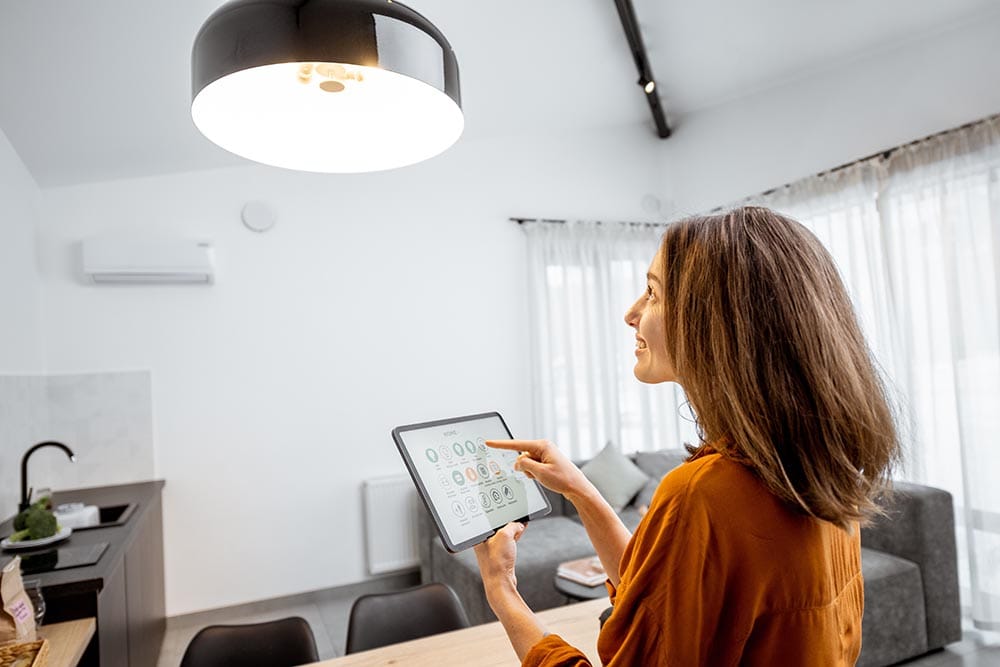
A Smart thermostat is a Wi-Fi-enabled device that automates the temperature control of your home while allowing you to manage heating and cooling systems via a mobile app or through voice commands. Unlike traditional thermostats, which require manual adjustment, smart thermostats learn your behavior and preferences, streamlining the climate control process and enhancing energy efficiency.
Smart thermostats integrate seamlessly with various smart home systems, offering compatibility with devices such as smart speakers and lights. This level of integration allows users to control their home environments with unparalleled ease and convenience. For more information on the technology powering these devices, you can explore Smart thermostat advancements.
How Does a Smart Thermostat Work?
Smart thermostats work by connecting to your home's Wi-Fi network, allowing them to communicate with your smartphone and other smart devices. They gather data about your home’s temperature, humidity, and your personal habits to create optimized heating and cooling schedules. Some models use advanced algorithms to learn from user adjustments, while others utilize sensors and geofencing technology to anticipate your needs automatically.
Through the use of software updates and machine learning, these thermostats continuously adapt to your lifestyle and can even make real-time adjustments based on external weather conditions. This enables them to ensure comfort while minimizing energy use.
Key Benefits of Smart Thermostat
- Energy Efficiency: Smart thermostats can reduce energy consumption, translating into lower utility bills.
- Convenience: Remote access allows you to adjust your home’s climate from anywhere.
- Enhanced Comfort: They learn your habits to provide personalized comfort throughout the day.
- Data Tracking: Many models offer insights into your energy usage, helping you make informed decisions.
- Environment Friendly: By optimizing energy usage, smart thermostats contribute to reducing your carbon footprint.
Types of Smart Thermostat
Wi-Fi Connected Smart Thermostat
Wi-Fi connected smart thermostats connect to the internet through your home’s Wi-Fi network, enabling easy access and control from your smartphone or tablet. They often come with user-friendly apps, allowing for real-time updates and adjustments wherever you are. These thermostats can integrate with other smart home devices for a comprehensive smart home experience.
Learning Smart Thermostat
Learning smart thermostats are designed to adapt to your preferences over time. They track factors such as daily routines, environmental changes, and temperature preferences to create an automated schedule that reflects your lifestyle. For example, if you always lower the temperature at night, the thermostat will learn this behavior and adjust itself accordingly in the future.
Energy-Saving Smart Thermostat
Energy-saving smart thermostats focus on minimizing energy usage without sacrificing comfort. They are equipped with features that encourage users to adopt energy-efficient habits, such as energy alerts, temperature recommendations based on time of day, and detailed analytics of energy consumption over time. This helps households understand their energy habits and optimize them.
Installing Your Smart Thermostat
Preparation Steps Before Installation
Before you install your smart thermostat, it’s essential to gather the necessary tools and information. Ensure that you have a screwdriver, drill, and the installation manual. Additionally, check for compatibility with your existing HVAC system and ensure that your Wi-Fi network is functional. Always turn off the power to your heating and cooling systems to avoid any risk of electric shock.
Review your current thermostat wiring. Take pictures of the wiring connections and label them for reference during the new installation. This step ensures a smoother transition and reduces the risk of errors.
Installation Process Overview
Commence the installation by removing the old thermostat. Carefully detach the device from the wall and note how the wires are connected. Next, install the mounting bracket for your smart thermostat, ensuring it is level. Connect the wires to the terminals according to the manual provided—usually labeled as R, Y, W, and G for the power and control of your system.
Once wired correctly, attach the smart thermostat to its base and power on the system. Follow the in-app instructions for initial setup, which may include connecting to Wi-Fi and updating the device firmware.
Post-Installation Configuration
After installation, you will need to configure your thermostat settings. This involves setting your home’s preferred temperatures and schedules. Explore additional features such as geofencing, which allows the thermostat to adjust based on your location, or energy-saving modes that activate during peak usage times. Familiarize yourself with the mobile app to maximize the device’s potential for convenience and efficiency.
Optimizing Your Smart Thermostat Settings
Setting Temperature Schedules
Creating temperature schedules based on your routine can significantly enhance energy savings. For instance, you might want the temperature to be cooler during the night and warmer during the day. Most smart thermostats allow you to program multiple schedules throughout the week, accommodating different patterns for weekends and weekdays.
Regularly review and adjust these schedules as needed. If your routine changes, updating your thermostat settings ensures continued efficiency and comfort.
Utilizing Geofencing Features
Geofencing functionality uses your smartphone’s location to determine when you’re home or away. This feature allows the thermostat to adjust the temperature based on your proximity to home, automatically entering energy-saving mode when you leave. Ensure your smartphone settings allow location services for maximum effectiveness of geofencing features.
Integrating with Home Automation Systems
Integrating your smart thermostat into a broader home automation system can enhance both functionality and convenience. Sync your thermostat with smart lights, speakers, and other devices to create customized scenarios—like automatically turning on the lights and adjusting the temperature when you arrive home. Such integration can lead to greater energy savings and improve your home's comfort levels.
Common FAQs about Smart Thermostat
How much can a smart thermostat save on energy bills?
A smart thermostat can save approximately 8-15% on heating and cooling costs by optimizing energy use, providing user insights, and adapting to your schedule.
Are smart thermostats easy to install without professional help?
Yes, most smart thermostats are designed for easy DIY installation with basic tools. However, ensure compatibility with your existing HVAC system before proceeding.
What are the main features to look for in a smart thermostat?
Look for features such as Wi-Fi connectivity, learning capabilities, energy usage reports, geofencing, mobile app integration, and compatibility with smart home systems.
Can smart thermostats work with existing heating and cooling systems?
Yes, most smart thermostats are compatible with a variety of heating and cooling systems. Always check the manufacturer's guidelines to ensure compatibility.
How do I troubleshoot common issues with my smart thermostat?
Common troubleshooting steps include checking Wi-Fi connectivity, ensuring correct wiring, performing a hard reset, and consulting the user manual for specific error codes.
This guide aims to provide an informative look into smart thermostats and their benefits. Embracing smart technology can significantly enhance your home's energy efficiency and comfort.